



The programme offers an introduction to the foundation philosophy, skills and theories relating to the creative arts therapies in readiness for taking skills into the workplace for those working in a related field as a stand-alone qualification or can provide the pre-requisite for application for progression onto the Master's qualification.
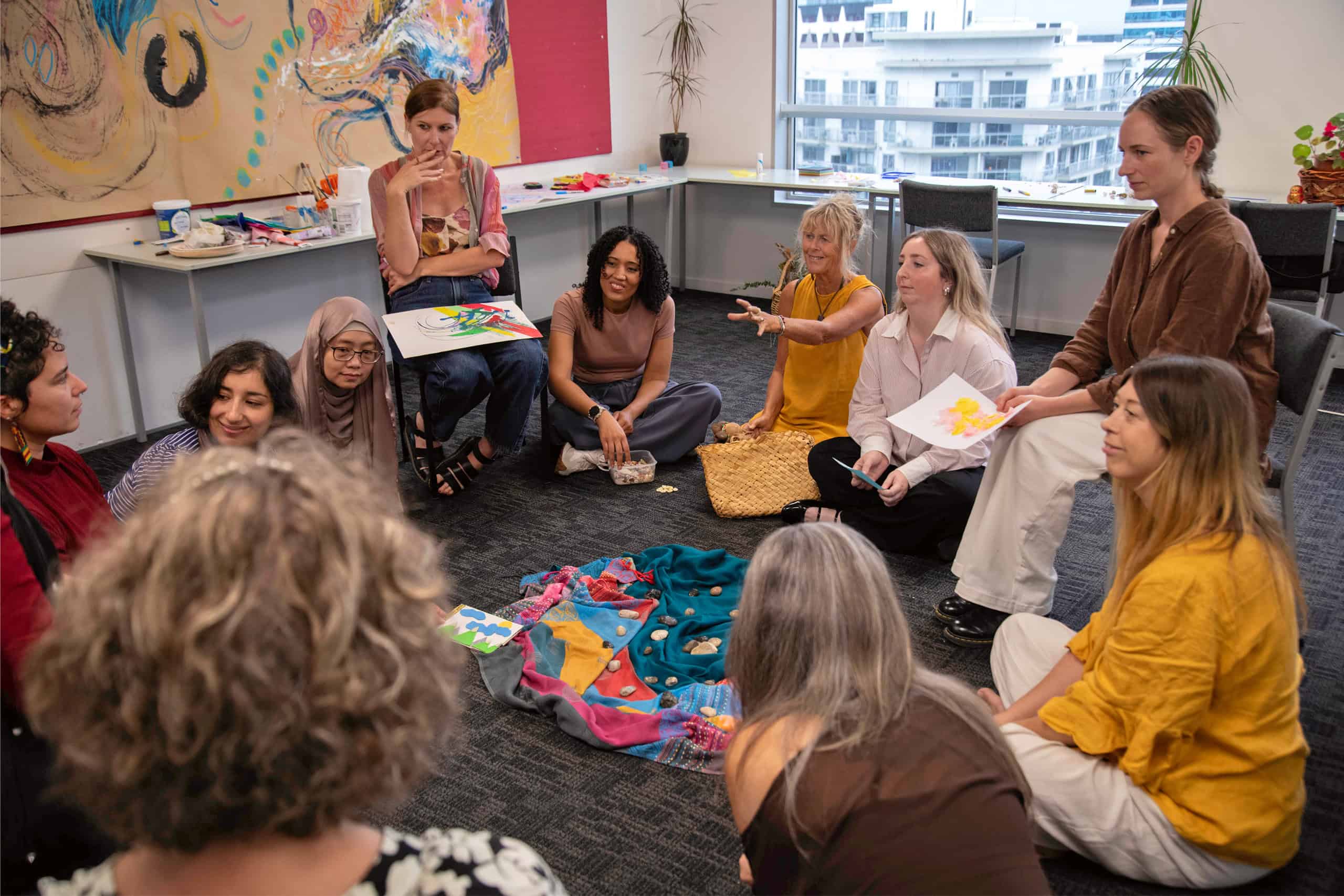
Over the duration of the year, students attend 21 days of in-person seminar sessions held on weekends, once a month from February to November. Between these seminars, students attend smaller online regional group tutorials and engage in collaborative and solo learning activities.
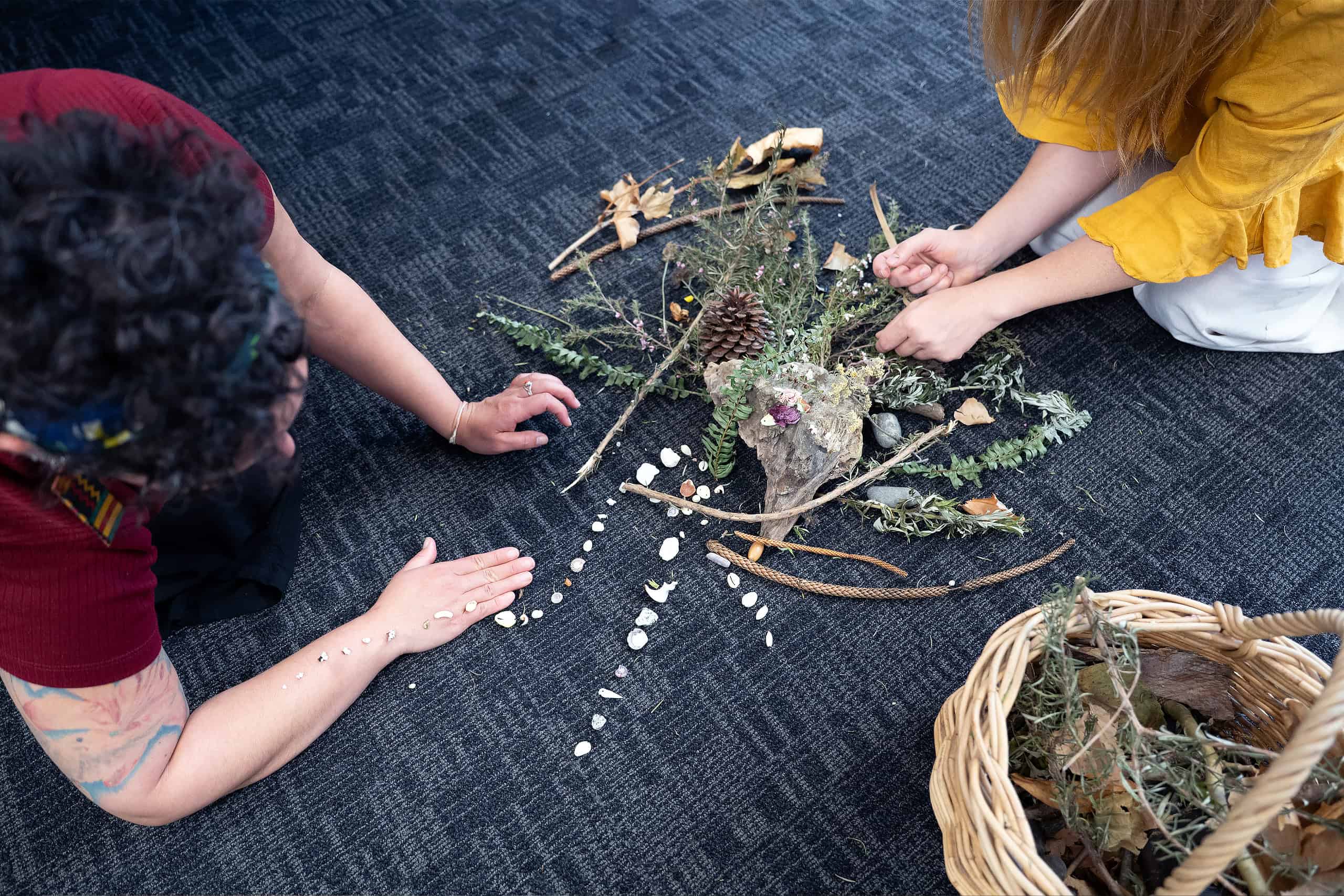
The PGDip CAT offers an introduction to the foundational philosophy, theories, and practices relating to Creative Arts Therapy. The programme involves ten in-person seminar weekends–one per month in each location, with distance study in between.
Courses focused on:
• Creative Arts Practice – exploring the integral role of creativity and arts-making
• Research Capacities – exploring research within social contexts
• Therapy Capacities – exploring core theories relevant to CAT
• Situated Practice – engaging in developing and implementing a group session
Part-Time: programme will offer two courses per year*
July 2026 Intake
20/07/2026
Part Time: Mid-Year Intake
1 Year (Full Time) or 1.5 Years (Part-Time)
Distance with 10 in-person seminars
Symonds Street Campus: Part-Time
Manukau Campus
Christchurch Campus
Wellington Campus
Tentative Intake Dates - TBC
Fees free applies
All 2026 fees are subject to change and regulatory approval.
Domestic:
$11,130 + $300 Student Services Levy
International:
$27,000 + $300 Student Services Levy
Further study options:
Level 9 Master of Arts in Creative Arts Therapy (Clinical)
Postgraduate Diploma in Creative Arts Therapy Level 8 (120 credits)
NZ Government key information link for students.

Many of our graduates have been employed by their clinical placements after completion of the course such as special schools, prison rehabilitation, drug and alcohol services, school counselling, trauma services, disability services, community mental health settings.
Graduates of the Whitecliffe Creative Arts Therapy programme are instrumental in extending the field’s reach into new applications.
Rata Gordon - MAAT(Clinical), CAThR
Applicants must
or
In addition to the above, all applicants must
International applicants must
The Postgraduate Diploma in Creative Arts Therapy is a one-year postgraduate programme that introduces students to the theory and practice of arts-based therapeutic approaches. It’s designed for people who want to use creative processes such as art, movement, drama, and storytelling to support wellbeing, healing, and personal growth.
This course is ideal for teachers, artists, counsellors, social workers, and health professionals who want to integrate creative methods into their existing practice. It’s also suited to graduates from related disciplines who are interested in pursuing a career in arts therapy or continuing to the Master of Creative Arts Therapy (MCAT).
You’ll explore creative processes as tools for self-awareness, communication, and healing. The programme integrates theoretical frameworks, psychology, and creative arts modalities, helping you understand how art-making supports emotional and social wellbeing in diverse communities.
Applicants must hold a bachelor’s degree in a related field such as arts, education, psychology, health sciences, or social work. You’ll also need to provide a portfolio, CV, personal statement, and references. An interview is part of the selection process to assess your readiness for postgraduate study.
The Postgraduate Diploma in Creative Arts Therapy is typically completed over one year of full-time study or 18 months part-time. Classes are a mix of intensive workshops, online learning, and practical experiential sessions.
The programme combines academic coursework, creative studio practice, and experiential learning. Students participate in group processes, reflective journals, and creative projects, developing an understanding of how creativity and psychology intersect in therapeutic contexts.
The programme is delivered through on-campus intensives and blended online learning at Whitecliffe’s campuses in Auckland and Christchurch. Class schedules are designed to accommodate working professionals, with weekend or block courses that minimise disruption to employment.
You’ll participate in experiential workshops to explore art-making as a therapeutic process. While the Postgraduate Diploma doesn’t include formal clinical placement, it lays the groundwork for practical fieldwork and internships offered in the Master of Creative Arts Therapy.
Graduates can continue directly into the Master of Creative Arts Therapy to qualify as a registered creative arts therapist. The diploma also enhances existing careers in education, counselling, mental health, community arts, and social services, where creative approaches support wellbeing.
Whitecliffe provides a supportive, collaborative environment led by experienced arts therapy educators and practitioners. Students benefit from small class sizes, peer learning, and academic mentoring, ensuring personal growth and professional readiness for further clinical or therapeutic work.
The team has extensive experience within their respective fields, which is key to helping ensure our graduates have the real-world skills, experience and placements they need for a successful career and bright future.
Naomi is a researcher, clinician, and educator in the field of Creative Arts Therapy, with a stro ...
Lynnemaree has worked in a range of positions at Whitecliffe and is currently a lecturer and a Cr ...
Julia has been practicing Art Therapy since 2016. She has led art therapy groups for children wit ...
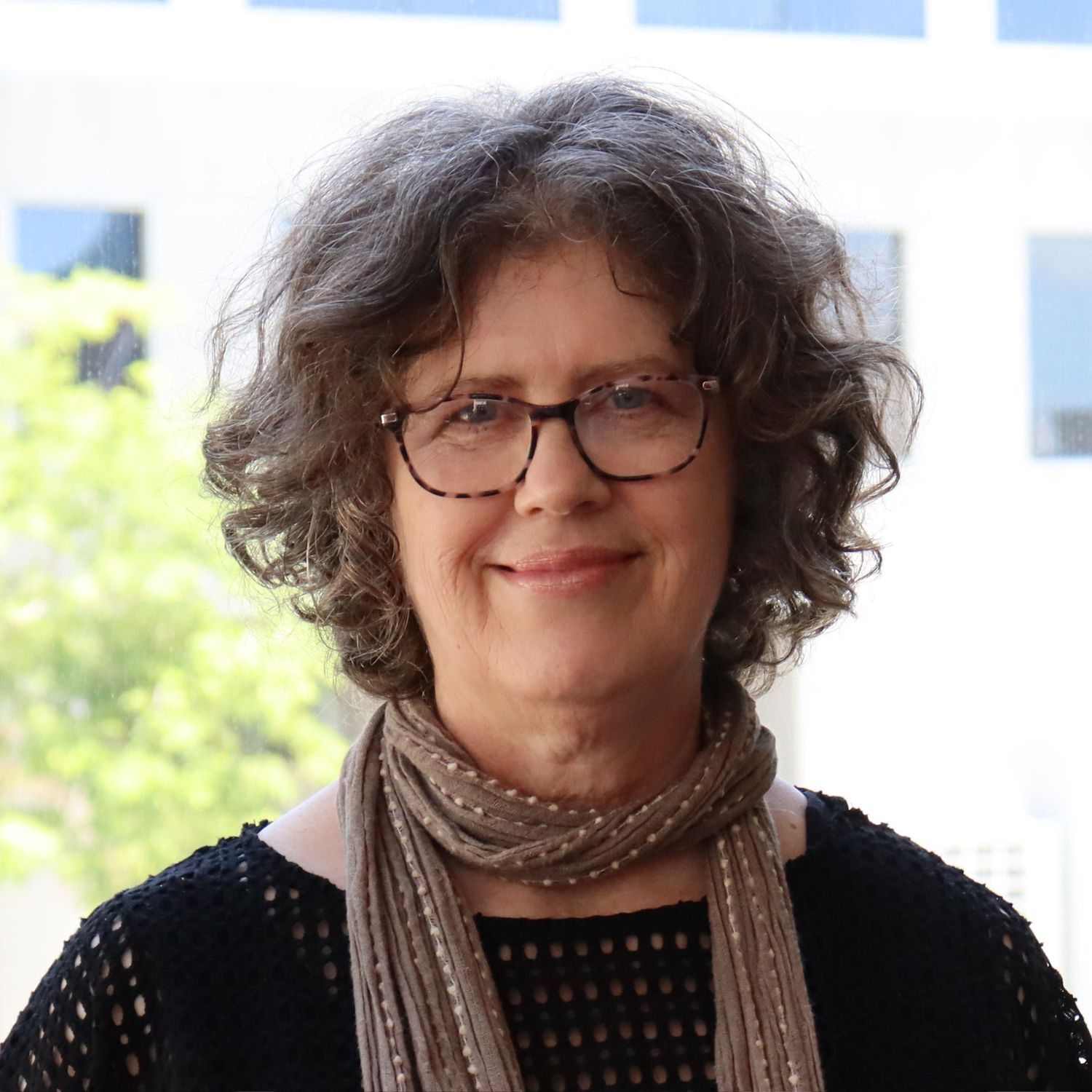
Susan Knaap is the Postgraduate Diploma Coordinator and Lecturer ...
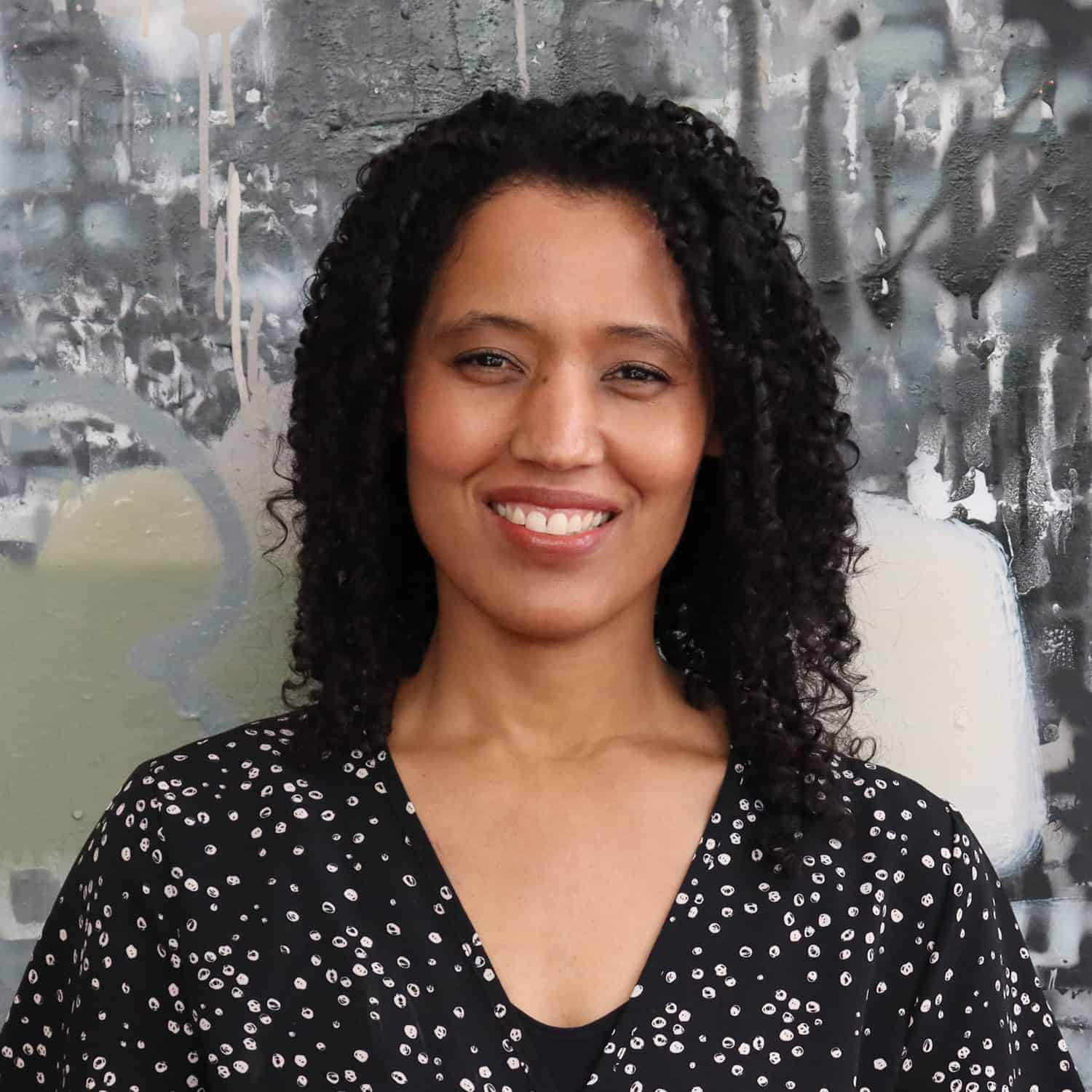
Candy is a Lecturer and Placement Coordinator within the School of Creative Arts Therapy. She bri ...
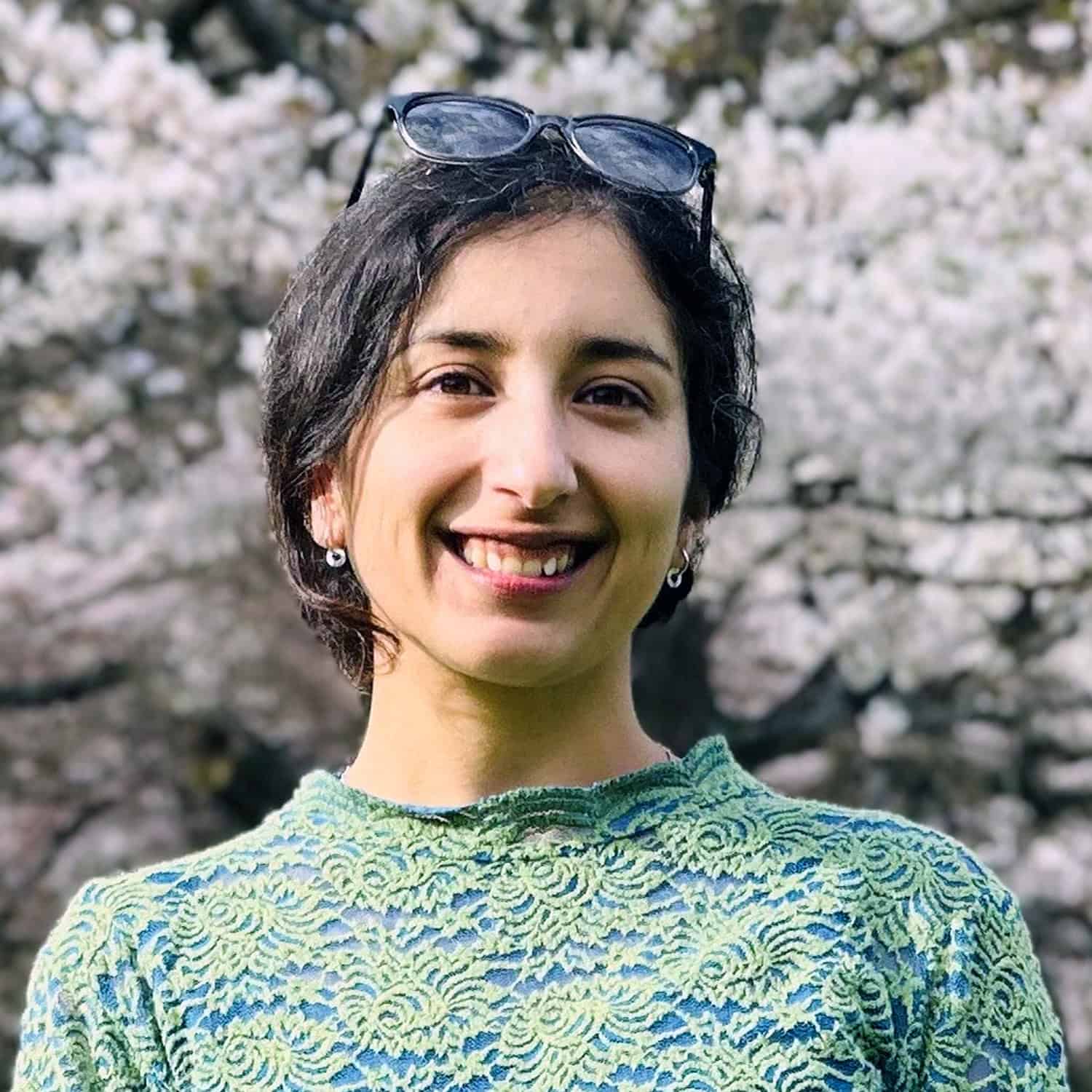
Negin Dastgheib completed a Master of Arts Therapy at Whitecliffe College of Arts and ...
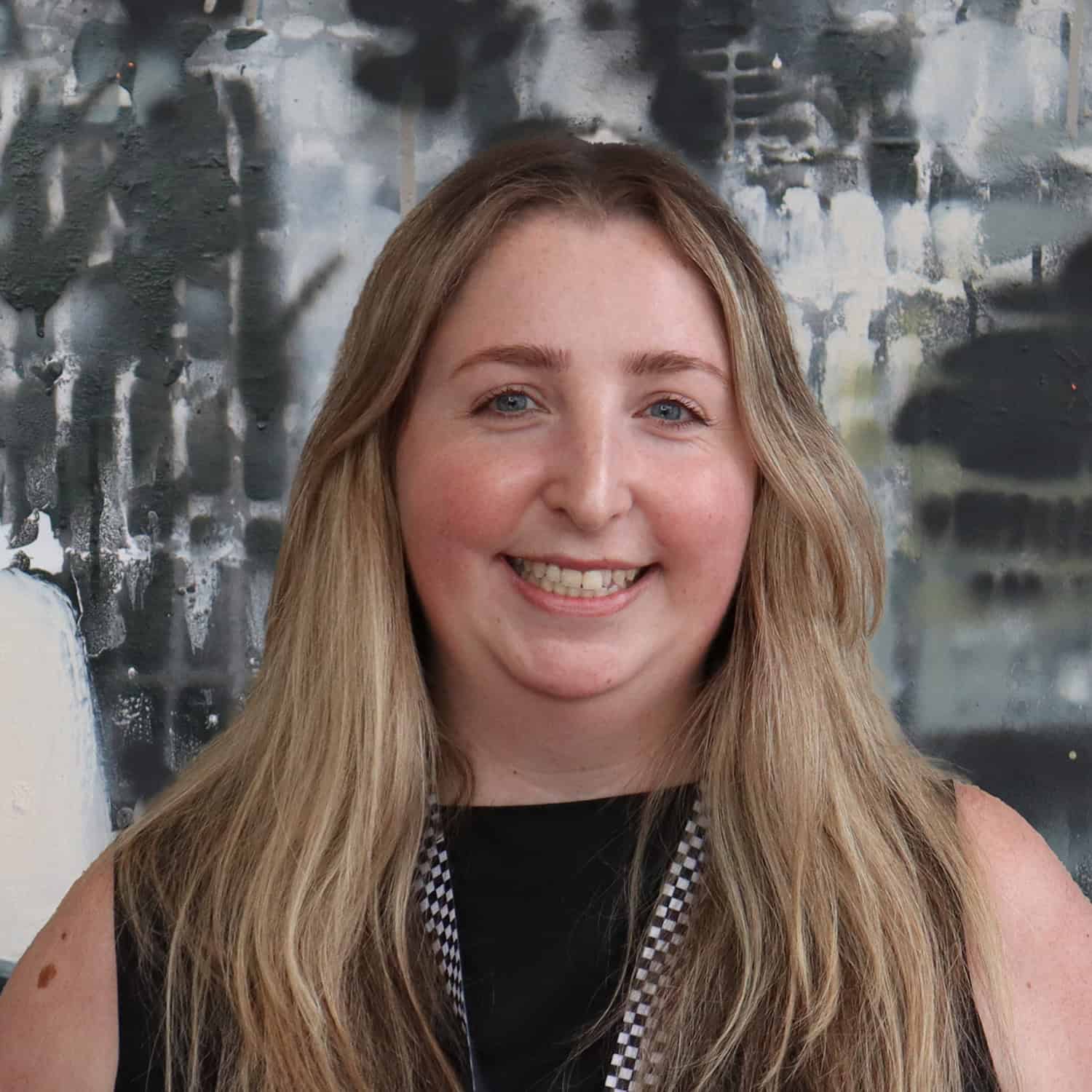
Jordan is a registered creative arts therapist, and sandtray practitioner based in Tāmaki Makau ...
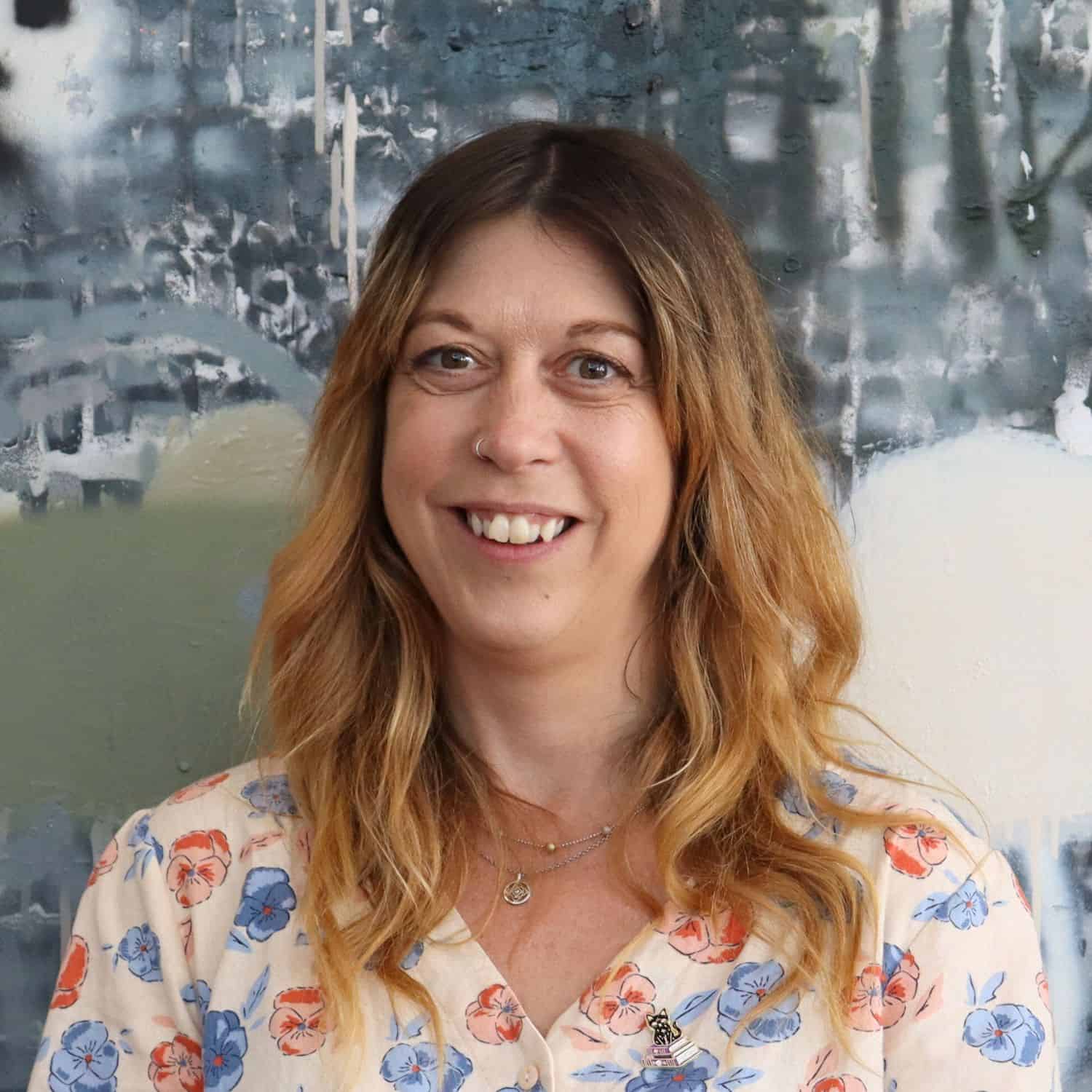
Beth’s clinical and research interests include supporting parents, children and educators to in ...
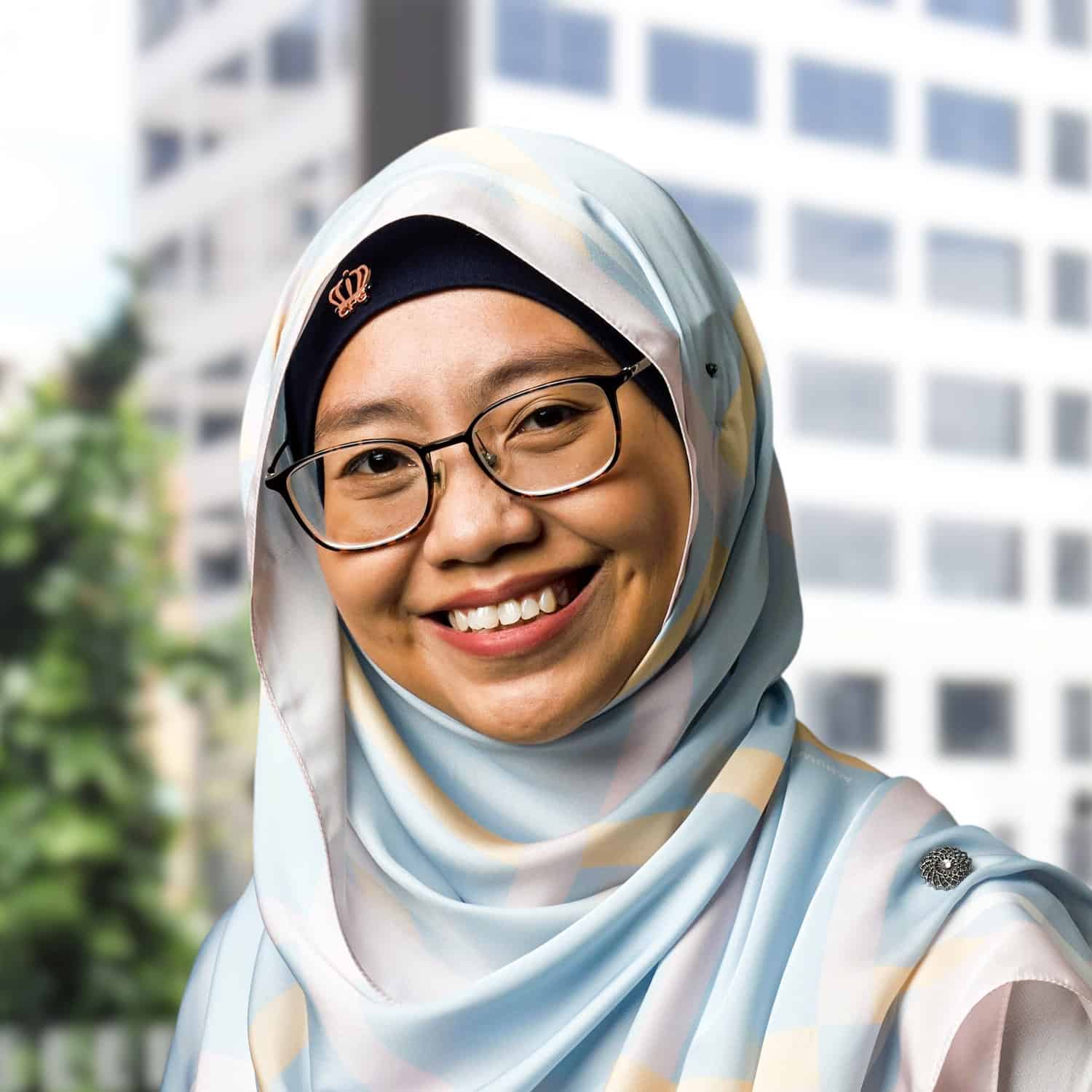
Nuraishah’s career began and developed whilst she was in Singapore. In the early days, she work ...
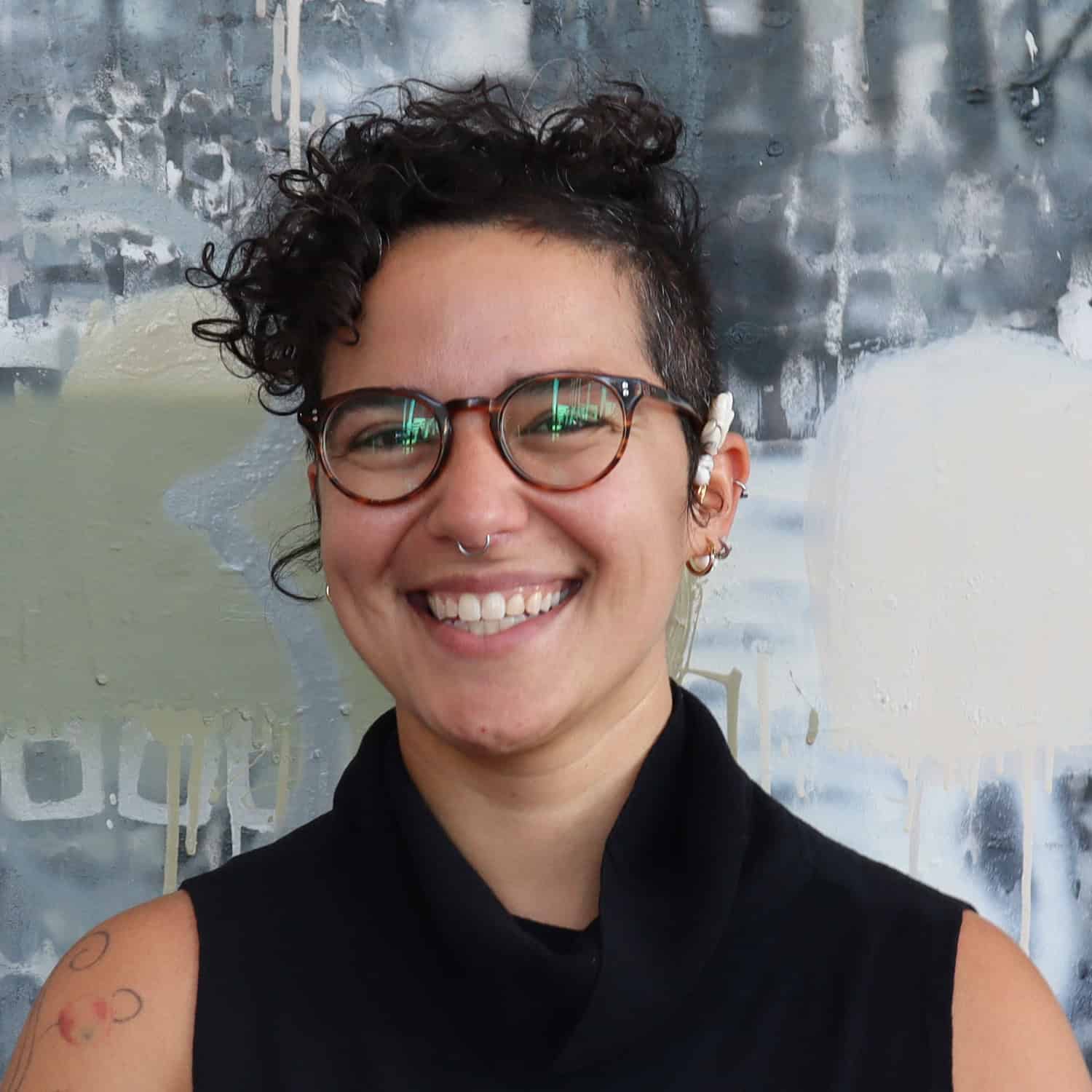
Janaína is an academic, published researcher, dancer, and movement practitioner passionate about ...
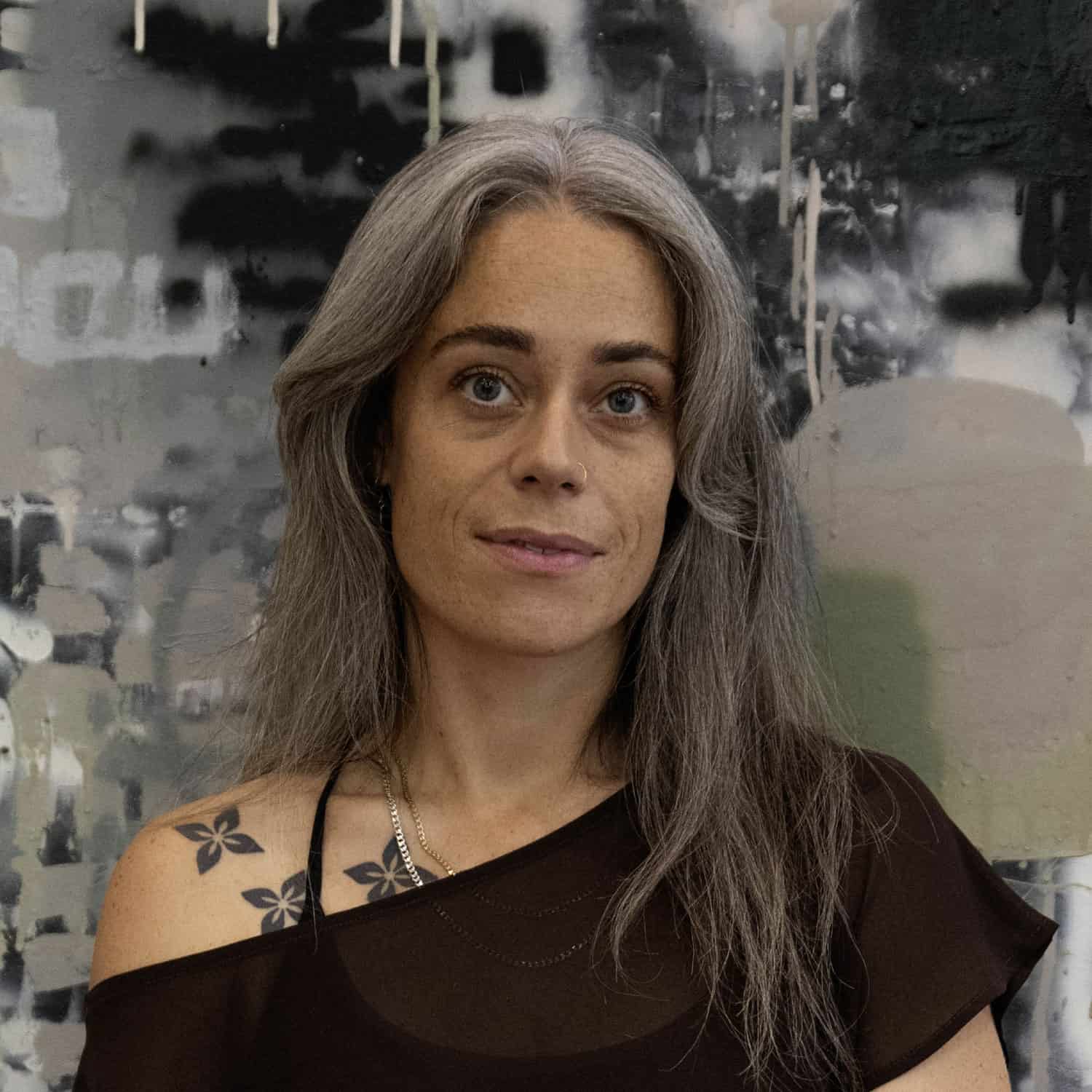
Bailey Wiley is a māma, artist/musician, creative arts therapist, and lecturer at Whitecliffe C ...
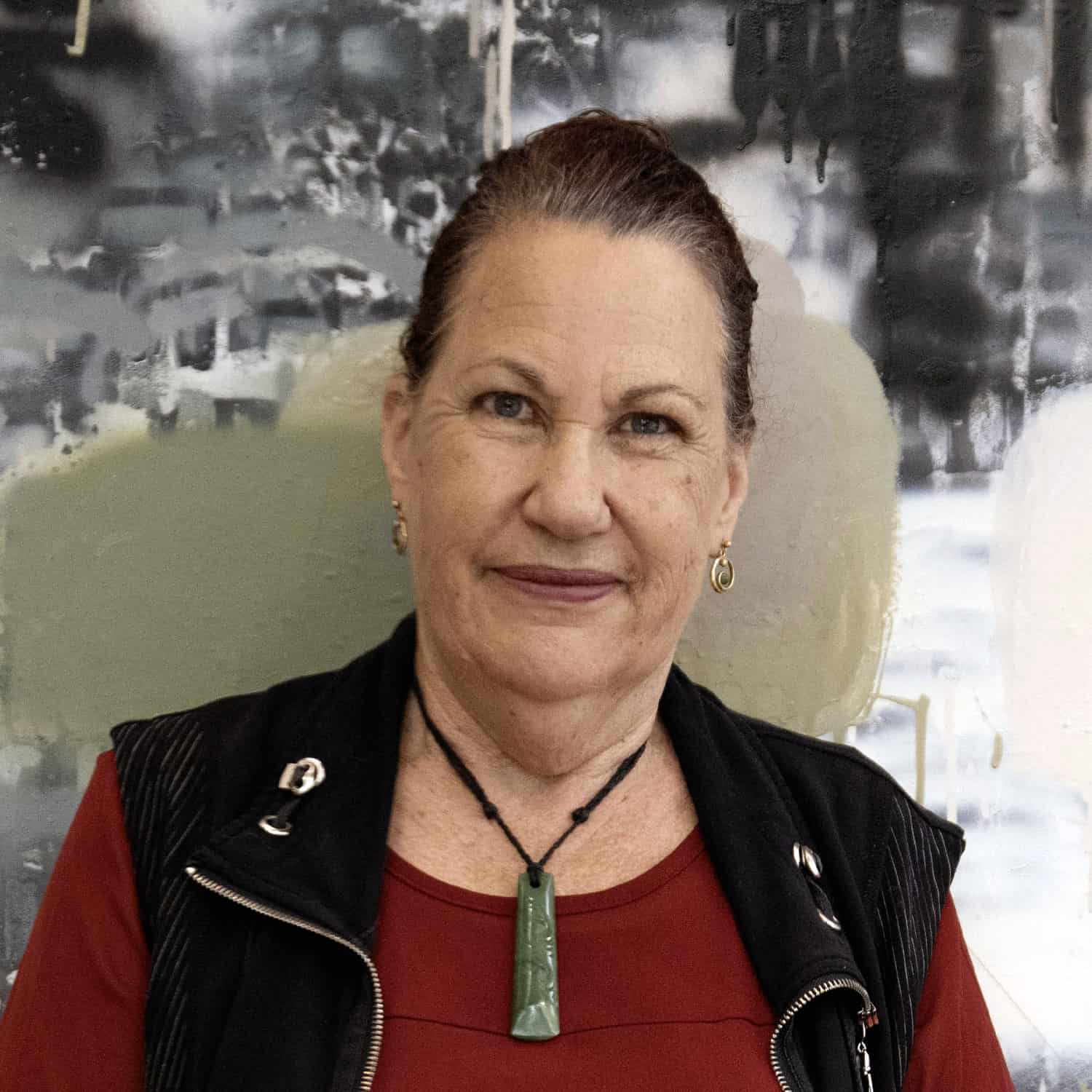
Marion Gordon-Flower had a background in media arts and secondary art teaching prior to her gradu ...