





If you’re deciding between a Graduate Diploma and a Post Graduate Diploma in Information Technology in New Zealand, the main difference comes down to depth and entry requirements.
A Graduate Diploma (Level 7) is ideal for those pivoting into IT from another field or building foundational tech skills, while a Postgraduate Diploma (Level 8) is designed for IT graduates or experienced professionals aiming for advanced technical expertise, leadership roles, or a pathway to a master’s degree.
New Zealand’s tech sector now drives 8% of GDP and NZ$11 billion in exports, yet 96% of employers can’t find enough skilled IT talent. For graduates, that means strong job prospects in a sector growing nine times faster than the rest of the economy. It’s the perfect time to upskill with one of the country’s best education providers.
This guide introduces Whitecliffe, an NZQA Category 1 provider with campuses in Auckland, Wellington, and Christchurch plus a nationwide distance-learning model. We’ll cover everything from entry requirements and career outcomes to costs, visas, and a practical decision-making checklist—so you can choose the qualification that best fits your career goals.
Let’s get into it.
Whitecliffe’s Applied Information Technology programmes are designed to help you take advantage of a growing skills gap, from core software development and cyber security to advanced business intelligence and machine learning. According to IT Professionals NZ, there were more than 4,000 unfilled ICT roles in 2024 – a gap that’s widening each year. Choosing the right qualification now can put you in prime position to take advantage of that shortage:
According to the latest AbsoluteIT salary survey, Level 8 graduates typically earn more than Level 7 graduates, a clear return on advanced skills.

Whitecliffe holds a NZQA Category 1 quality rating (the highest possible), which means you can expect consistent academic excellence and strong student support.
Programmes are industry-aligned, offering over 400+ hands-on labs where you can practise everything from full-stack development in Python, Java, and React, to configuring networks and penetration testing in a secure cloud environment. You’ll also gain the option to take on certifications from partners like EC-Council and Microsoft – the kind of globally recognised credentials employers trust.
Study options vary by programme, with opportunities to balance your learning alongside work and life commitments. Small class sizes mean more one-on-one time with lecturers, while cross-disciplinary projects mimic the real-world teamwork of the IT industry.
Graduates will leave with job-ready skills that employers can see and evaluate, and many graduates step straight into roles at leading NZ companies or launch their own ventures.
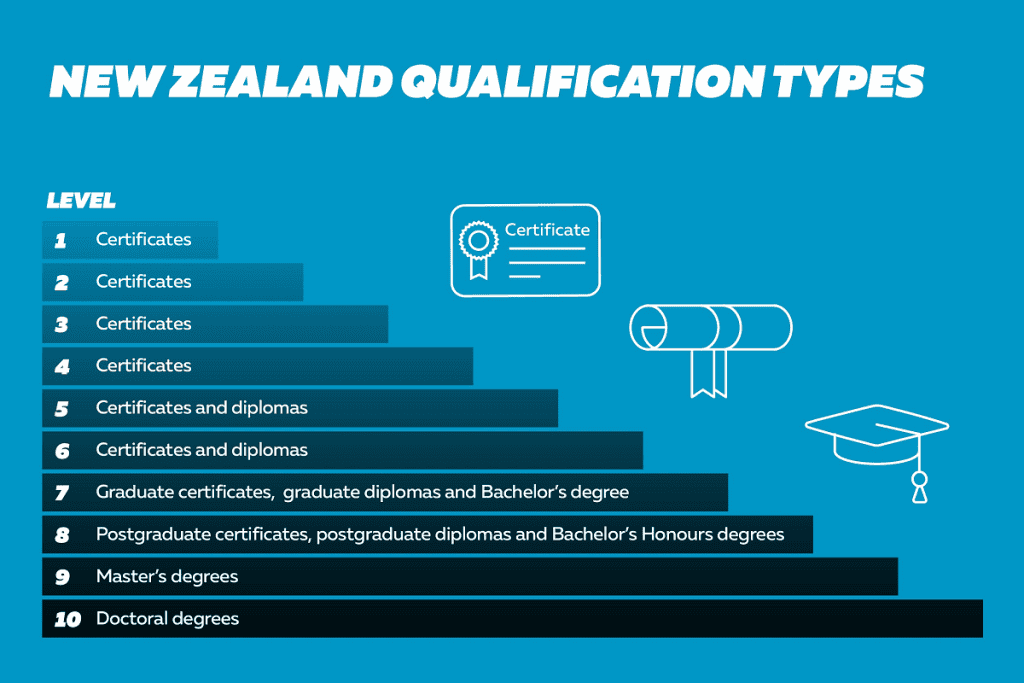
The New Zealand Qualifications Framework (NZQF) is the national system that ranks qualifications from Level 1 (entry-level certificates) to Level 10 (doctoral degrees). NZQF levels are:
Level 7 = Graduate Diploma, perfect for pivoting into IT.
Level 8 = Postgraduate Diploma, designed for specialisation and leadership.

A Graduate Diploma is a one-year, 120-credit programme that helps you move into the IT industry or pivot into a new tech specialisation without restarting from scratch. It’s ideal if you already have a bachelor’s degree in another discipline and want a fast, targeted route into tech.
Entry requirements: Any bachelor’s degree is accepted, whether in business, engineering, or the arts. No prior IT study is needed, and relevant professional experience can sometimes substitute for a degree.
Structure: One year of full-time study (or part-time for flexibility). You’ll start with core skills in programming, networking, and databases, then choose electives like cyber security, data analysis, or business intelligence to match your career goals.
Common job outcomes: Graduates often step into roles like Junior Software Developer (building and testing code), Network Analyst (maintaining business networks), or Service Desk Specialist (supporting users and solving tech issues). These entry-level positions help you gain experience and progress to more senior roles.

A Postgraduate Diploma in IT is a one-year, 120-credit advanced programme designed to deepen your technical expertise and prepare you for specialist or leadership roles – or as a direct pathway to a Master’s degree. It’s best suited to those with an IT or STEM background who want to move up the career ladder quickly.
Entry requirements: Applicants typically hold an IT or related bachelor’s degree, a Level 7 IT qualification, or have significant industry experience. International students usually need an IELTS 6.5 (or equivalent).
Structure: One year full-time (or part-time) with at least 72 credits at Level 8. Includes advanced theory, leadership and strategy papers, plus an applied research or industry project. At Whitecliffe, you can specialise in Cyber Security, Data Analytics, Ubiquitous Computing, or Machine Learning, delivered through a blended model of online theory and on-campus block courses in Auckland, Wellington, or Christchurch.
Common job outcomes: Graduates step into higher-responsibility roles like IT Consultant (advising businesses on tech strategy), Solutions Architect (designing complex systems), Cyber Security Engineer (protecting networks from threats), or Senior Data Analyst (turning data into business insights). Many also progress into Master’s study for further advancement – all 120 credits can usually be transferred.
| Question | Graduate Diploma in IT (Level 7) | Postgraduate Diploma in IT (Level 8) |
|---|---|---|
| Which qualification sits higher on the NZQF? | Level 7 | Level 8 |
| How do entry requirements differ? | Accepts any bachelor’s degree; prior IT study not required. | Requires IT-related bachelor’s, Level 7 IT qualification, or relevant industry experience. |
| What level of research is involved? | Focuses on taught coursework with practical projects. | Includes substantive research or capstone projects alongside advanced coursework. |
| What career path will each unlock? | Entry-level or pivot roles such as Junior Developer, Network Analyst, or Service Desk Specialist. | Specialist or supervisory roles such as IT Consultant, Solutions Architect, or Cyber Security Engineer. |
| How long is the Post-Study Work Visa? | Up to 2 years if programme is on the eligible list. | Up to 3 years open work visa. |
| What does each programme cost? | Generally lower than Level 8. See current domestic and international fees on the Whitecliffe website. | Fees are subject to change and regulatory approval. Domestic: $9,254 + $300 Student Services Levy International: $24,000+ $300 Student Services Levy |


Tuition fees at Whitecliffe are calculated per academic year (120 credits) and vary by programme level. You’ll also need to budget for non-tuition costs such as materials, equipment, and a $300 Student Services Fee that supports wellbeing initiatives, academic skills workshops, and student activities. See the Whitecliffe Student Handbook 2025 for a full breakdown.
If you’re a domestic student, you may be eligible for StudyLink loans or allowances, and potentially Fees-Free funding if this is your first year of tertiary study.
For international students, tuition is generally higher, and visa rules are a key consideration. A Post-Study Work Visa of up to three years is available to Level 8 graduates, while Level 7 graduates may receive up to two years if their programme is on the eligible list.
If you already hold a bachelor’s degree and want to pivot into IT or add a new specialisation, a Graduate Diploma offers a structured bridge into the field, building the practical skills to secure your first role. If you have an IT or STEM background and are ready to specialise, lead projects, or progress into senior technical or strategic roles, a Postgraduate Diploma delivers the depth, research capability, and advanced technical skills to get you there. The right choice ultimately depends on where you’re starting from, the type of roles you’re aiming for, and if you’re an international student, how long you want to stay and work in New Zealand after graduating.
Whichever you choose, Whitecliffe offers flexible study modes, industry-linked projects, and personalised support, so you can graduate with the confidence, portfolio, and network to succeed in New Zealand’s fast-growing tech sector.
