


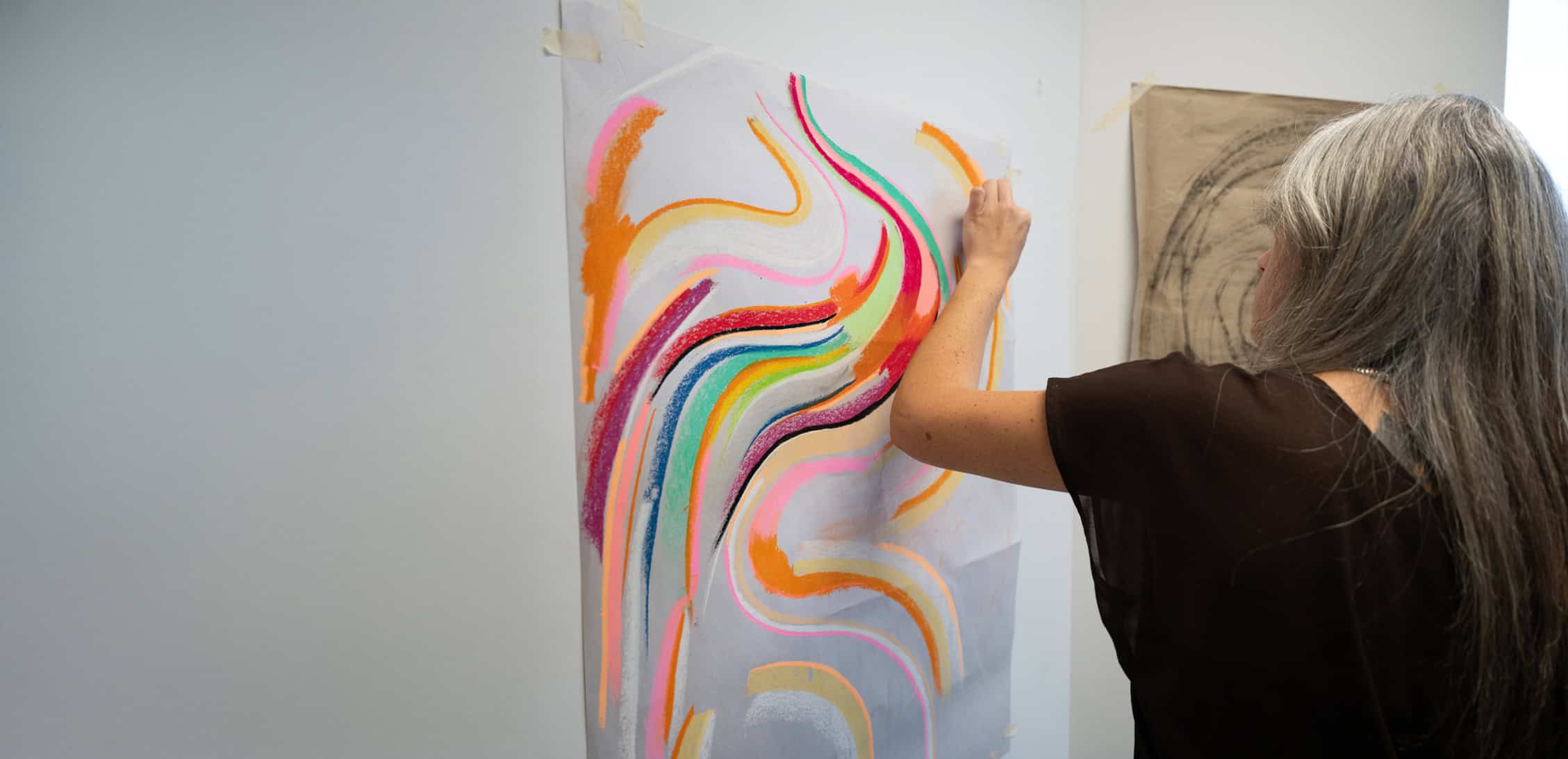
You will combine your passion for creativity, collaboration, and supporting others in order to enhance wellbeing. You will develop the confidence to contribute to this dynamic, emerging field, harnessing your own experience and interests to pioneer new frontiers in this rapidly expanding profession.
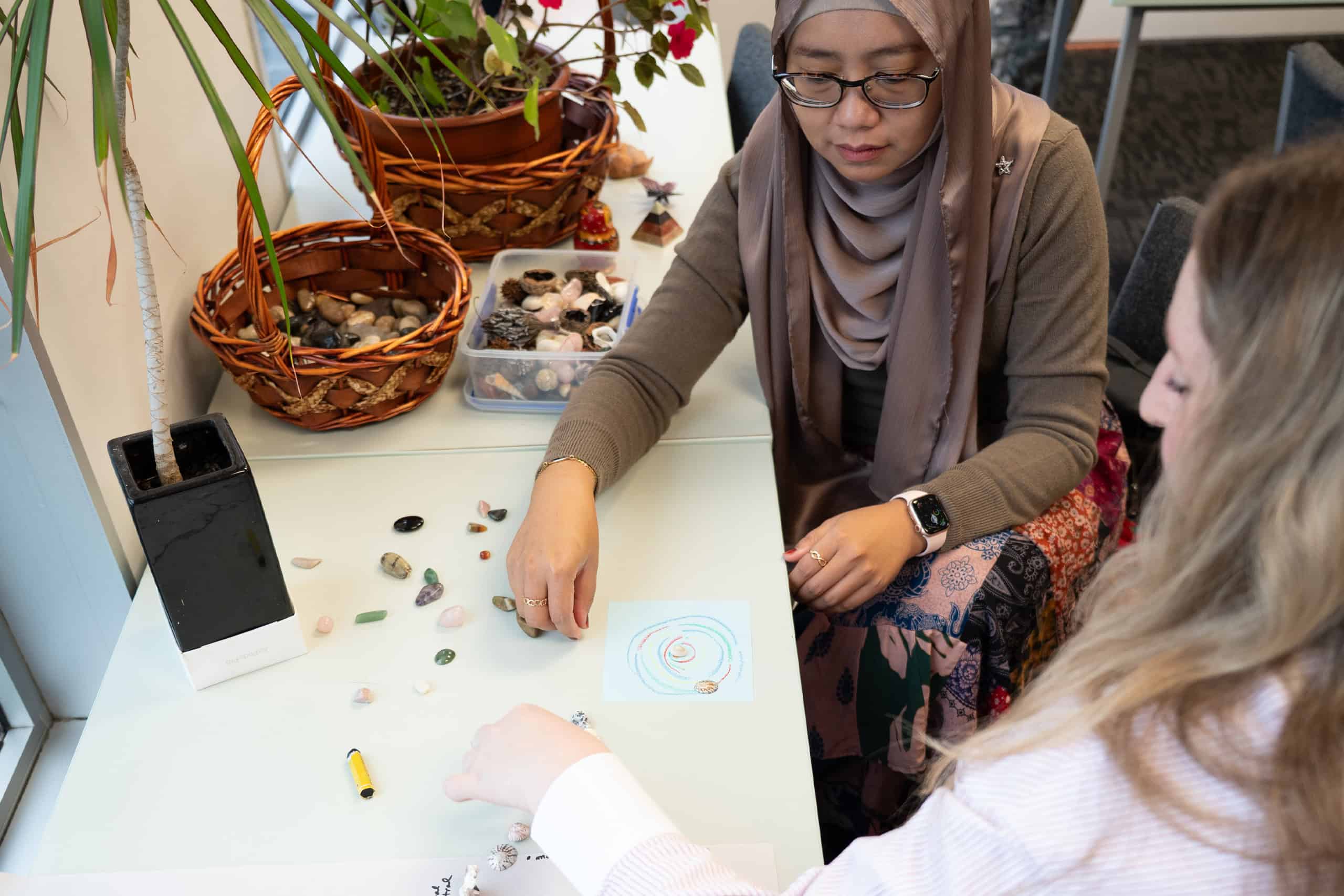
Intensive weekend and four-to-five day seminars are held between four and six times annually to enable students to:
• Engage in theoretical and experiential learning with faculty, peers, and local and international practitioners
• Participate in group processes and self-reflexive practices
• Build clinical, research, creative and presentation skills
The MCAT includes courses focused on:
• Creative Arts Practice – exploring the integral role of creativity and arts-making
• Research Capacities – exploring and implementing CAT appropriate research
• Therapy Capacities – exploring both theory and professional practice of CAT
• Situated Practice – engaging with clients in supervised Placements
In order to successfully complete the MCAT and be eligible for professional registration with the regional professional body, the Australian, New Zealand, and Asian Creative Arts Therapy Association (ANZACATA), students complete an independent research project supported by a research supervisor and 750 hours of supervised clinical practice.
The clinical practice is achieved in the final 18-month period of study via placements that involve work with real-world clients and populations. Students are encouraged to seek out a variety of placement opportunities, assisted by faculty. The research is undertaken during the final year of study. External Creative Arts Therapy clinical and research supervision is funded by Whitecliffe.
January 2026
27/01/2026
Application Close Date
19/10/2025
2 Years
Distance with some in-person seminars + placements
Auckland City Symonds Street Campus
Christchurch Campus
Tentative Intake Dates - TBC
Fees indicated are for 1st year of study. 2nd Year fees may vary.
All 2026 fees are subject to change and regulatory approval.
Domestic: $11,098 + $300 Student Services Levy
International: $27,000 + $300 Student Services Levy per year
Further study options:
Level 10 Doctoral studies
Master of Creative Arts Therapy (Clinical)
NZQA Level 9 (240 credits)
NZ Government key information link for students.

Creative Arts Therapists may work in mental health environments, education facilities, community settings and private practice.
Many of our graduates have been employed by their clinical placements after completion of the course such as special schools, prison rehabilitation, drug and alcohol services, school counselling, trauma services, disability services, community mental health settings.
Graduates of the Whitecliffe Creative Arts Therapy programme are instrumental in extending the field’s reach into new applications. Graduates of MCAT (clinical) are eligible to become professional members of the Australian, New Zealand and Asian Creative Arts Therapy Association.
Professional members with suitable background and experience are able to go into private practice and apply for registration to be a counsellor for ACC, provide counselling through the WINZ Disability Allowance Scheme and register for programmes such as the “I Am Hope” free counselling scheme for youth.
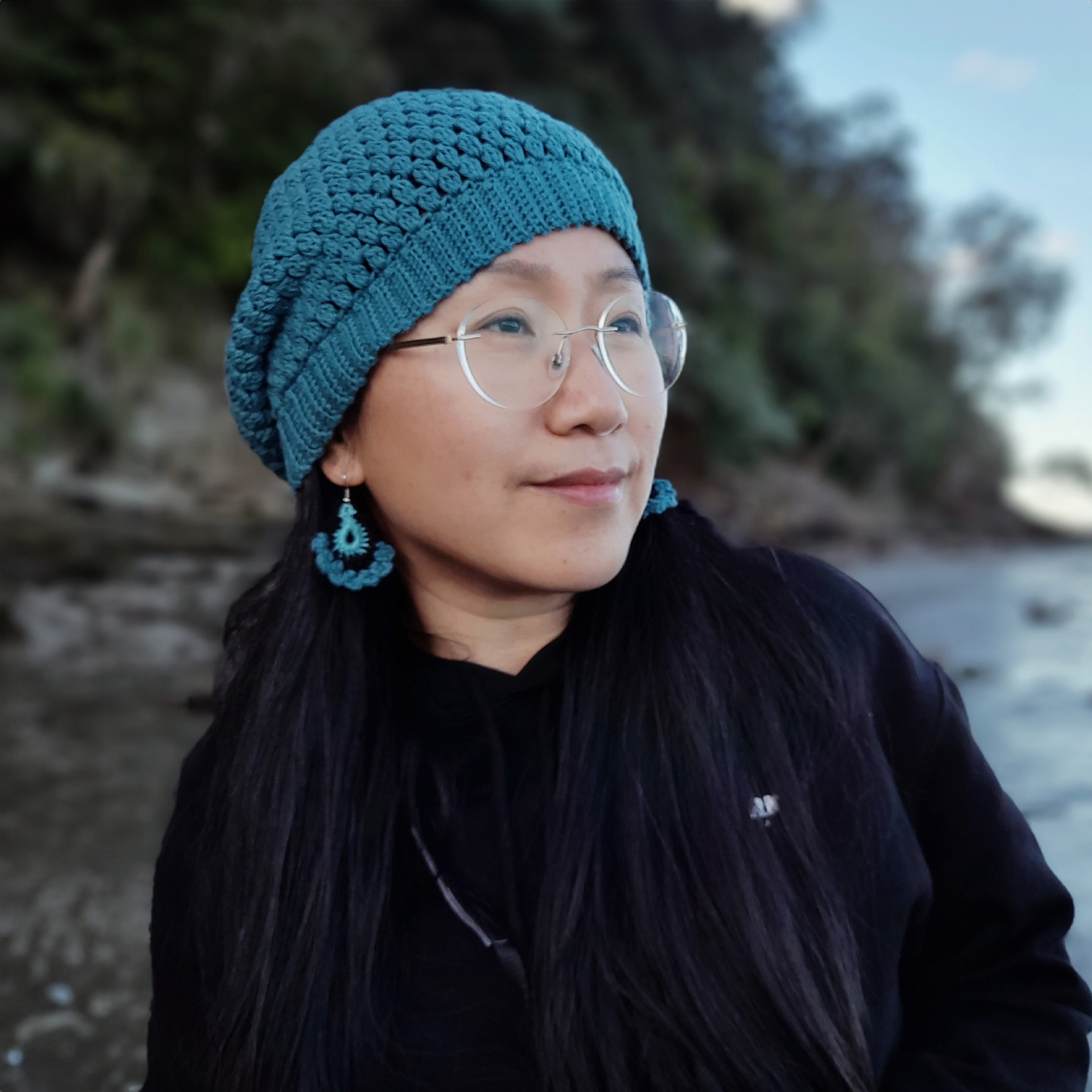
Dr Ying(Ingrid) Wang - PhD(Dean's list), MAAT(Clinical), CAThR, MDes
Applicants must
or
In addition to the above, all applicants must
International applicants must
The Master of Creative Arts Therapy (Clinical) is a two-year postgraduate programme that trains students to become qualified creative arts therapists. It combines academic study, clinical training, and supervised fieldwork, preparing graduates to use art-making and creative processes as therapeutic tools in mental health, education, and community settings.
This programme is ideal for people who want to work as registered creative arts therapists in clinical, educational, or community environments. It’s particularly suited to graduates of the Postgraduate Diploma in Creative Arts Therapy or professionals with backgrounds in art, psychology, counselling, education, or social work.
You’ll study arts-based psychotherapy theories, clinical practice, and advanced creative modalities such as visual art, movement, drama, and storytelling. The programme integrates psychodynamic, humanistic, and transpersonal approaches, helping you apply creative methods within therapeutic and clinical contexts.
Applicants must hold a Postgraduate Diploma in Creative Arts Therapy or an equivalent qualification. You’ll also need relevant professional or creative experience, a portfolio, academic transcripts, and references. All applicants are interviewed to assess their readiness for clinical training and postgraduate research.
The Master of Creative Arts Therapy (Clinical) is a two-year full-time programme (or part-time equivalent) that includes coursework, supervised clinical placements, and a research dissertation.
The programme combines academic study, studio-based creative exploration, and clinical practice placements. Students complete coursework on art therapy theory, ethics, and research methodology while gaining real-world experience in mental health, education, and community care settings.
You’ll complete supervised clinical placements where you work directly with clients in approved therapeutic environments. These placements allow you to apply creative arts therapy principles in practice, supported by clinical supervision and reflective journaling to enhance professional competency.
The Master of Creative Arts Therapy (Clinical) is offered at Whitecliffe’s Auckland and Christchurch campuses. The course is delivered through a blended model of on-campus intensives, workshops, online learning, and supervised placements to support both local and distance learners.
Graduates are eligible to apply for professional registration with the Australian, New Zealand and Asian Creative Arts Therapies Association (ANZACATA). Career paths include working as a creative arts therapist, counsellor, community arts practitioner, or clinical mental health professional in hospitals, schools, NGOs, or private practice.
Whitecliffe provides extensive support through clinical supervision, mentoring, and academic guidance. Students benefit from small class sizes, experienced faculty, and a collaborative learning environment that prioritises personal wellbeing, reflective practice, and ethical professional development throughout the programme.
The vast majority of our team have extensive experience within their respective industries. This is key in helping us ensure our graduates have the real-world skills they need for a successful career and bright future.
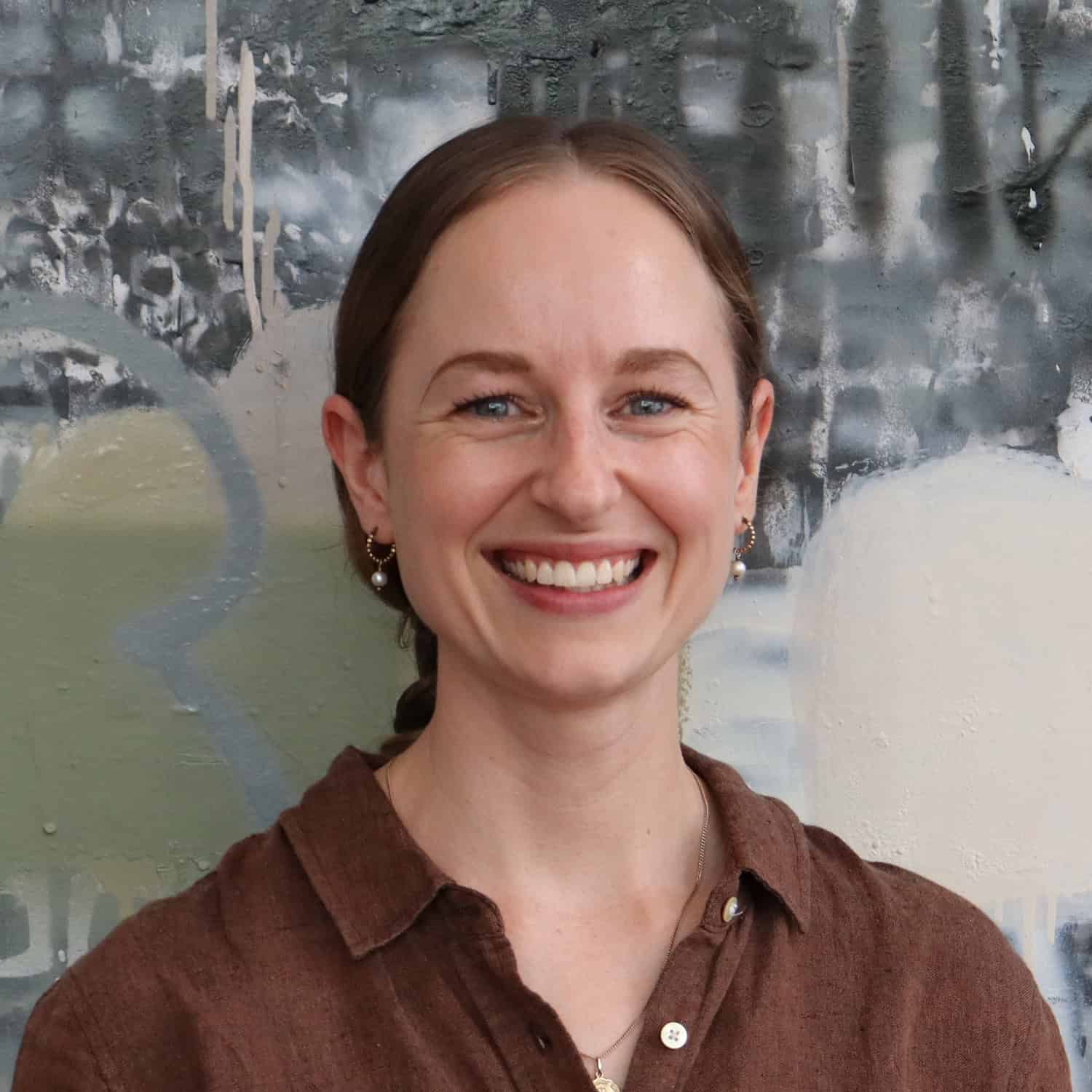
Naomi is a researcher, clinician, and educator in the field of Creative Arts Therapy, with a stro ...
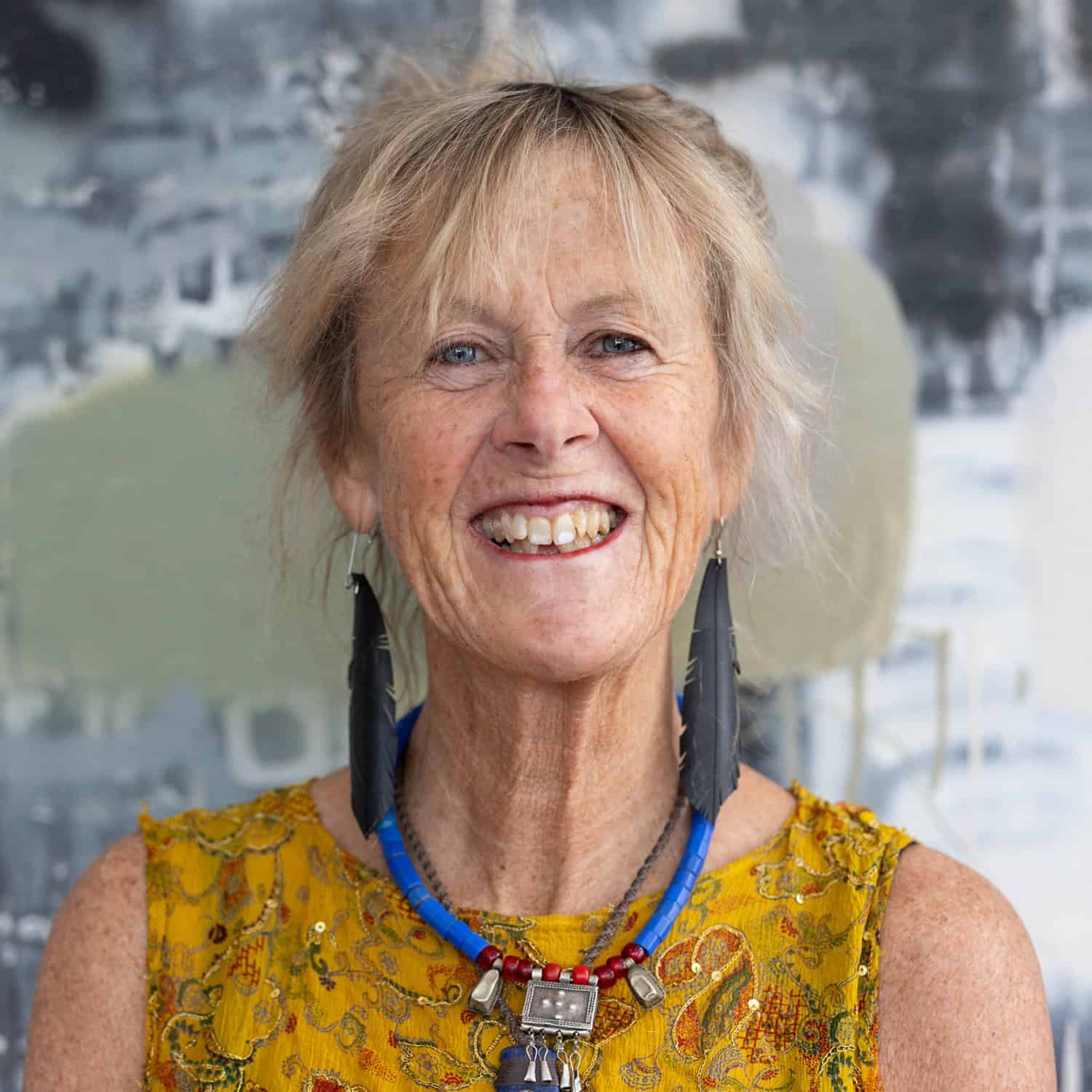
Lynnemaree has worked in a range of positions at Whitecliffe and is currently a lecturer and a Cr ...
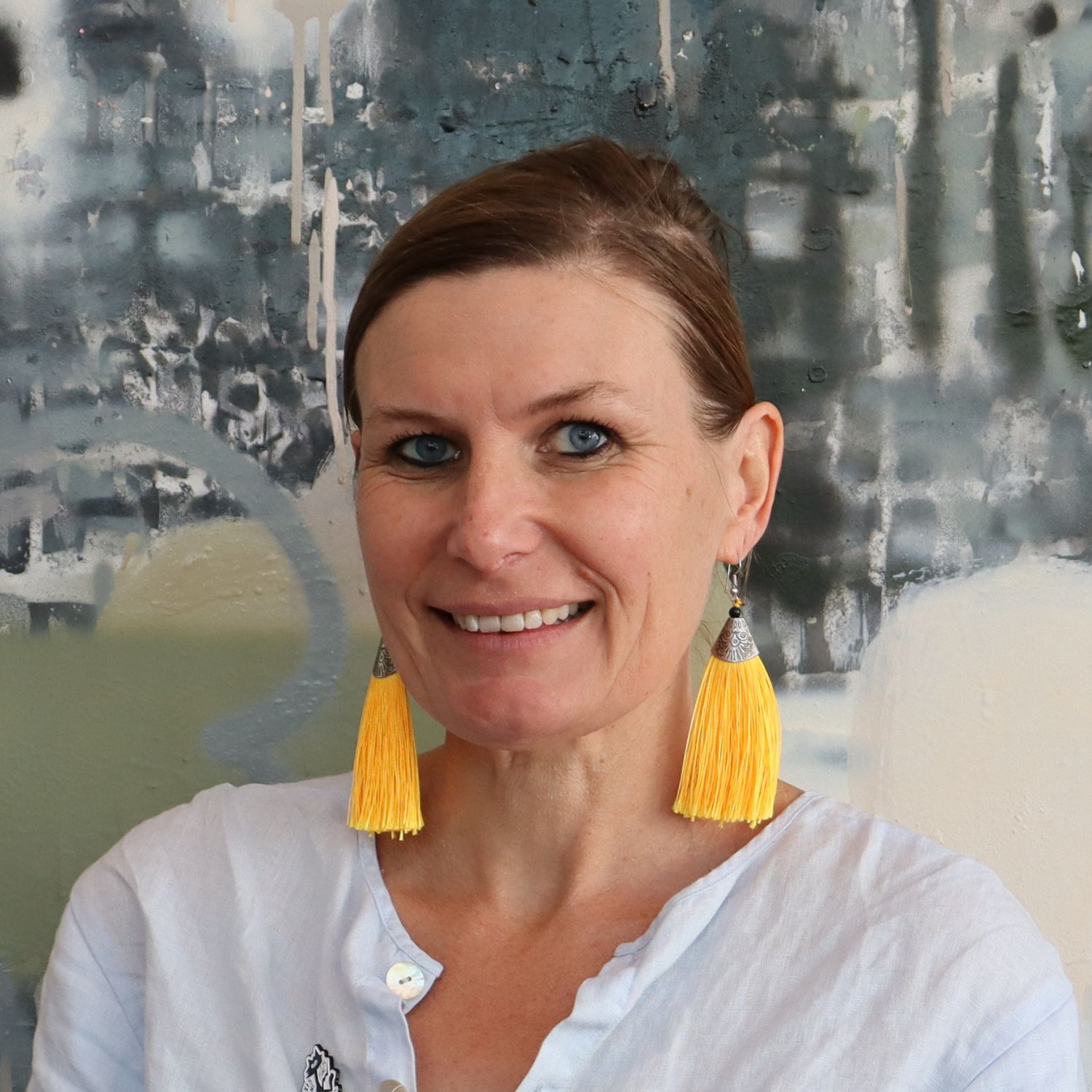
Julia has been practicing Art Therapy since 2016. She has led art therapy groups for children wit ...
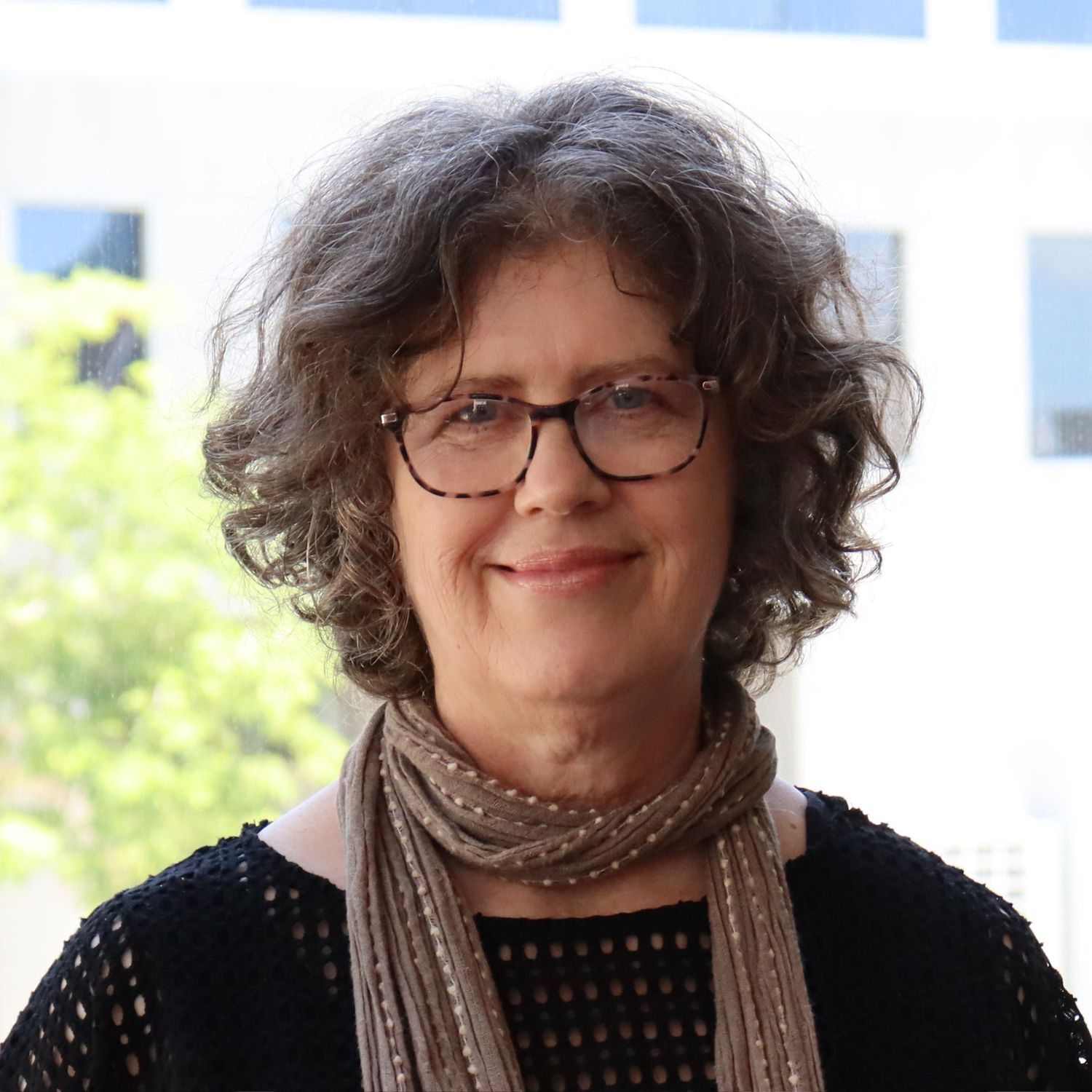
Susan Knaap is the Postgraduate Diploma Coordinator and Lecturer ...
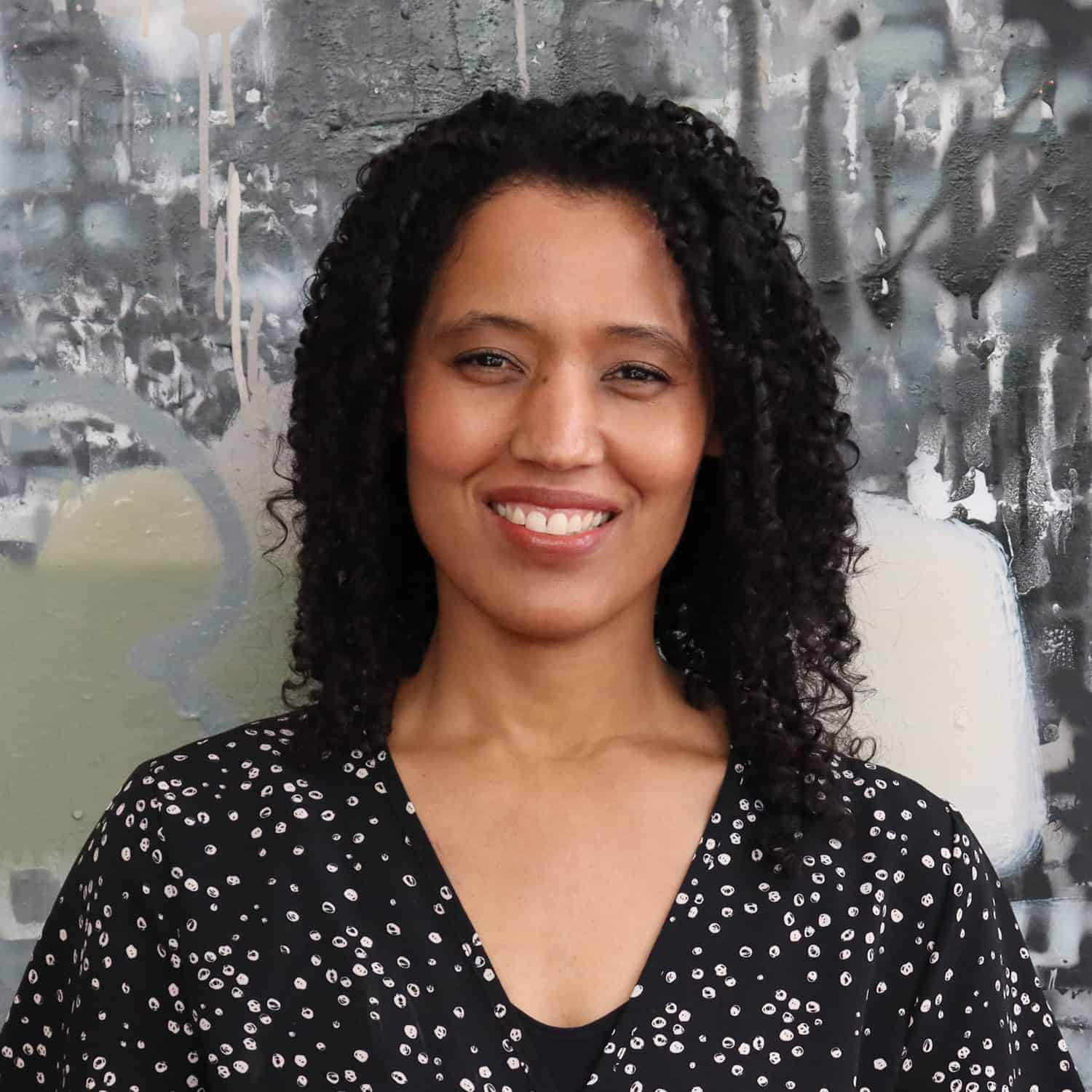
Candy is a Lecturer and Placement Coordinator within the School of Creative Arts Therapy. She bri ...

Negin Dastgheib completed a Master of Arts Therapy at Whitecliffe College of Arts and ...
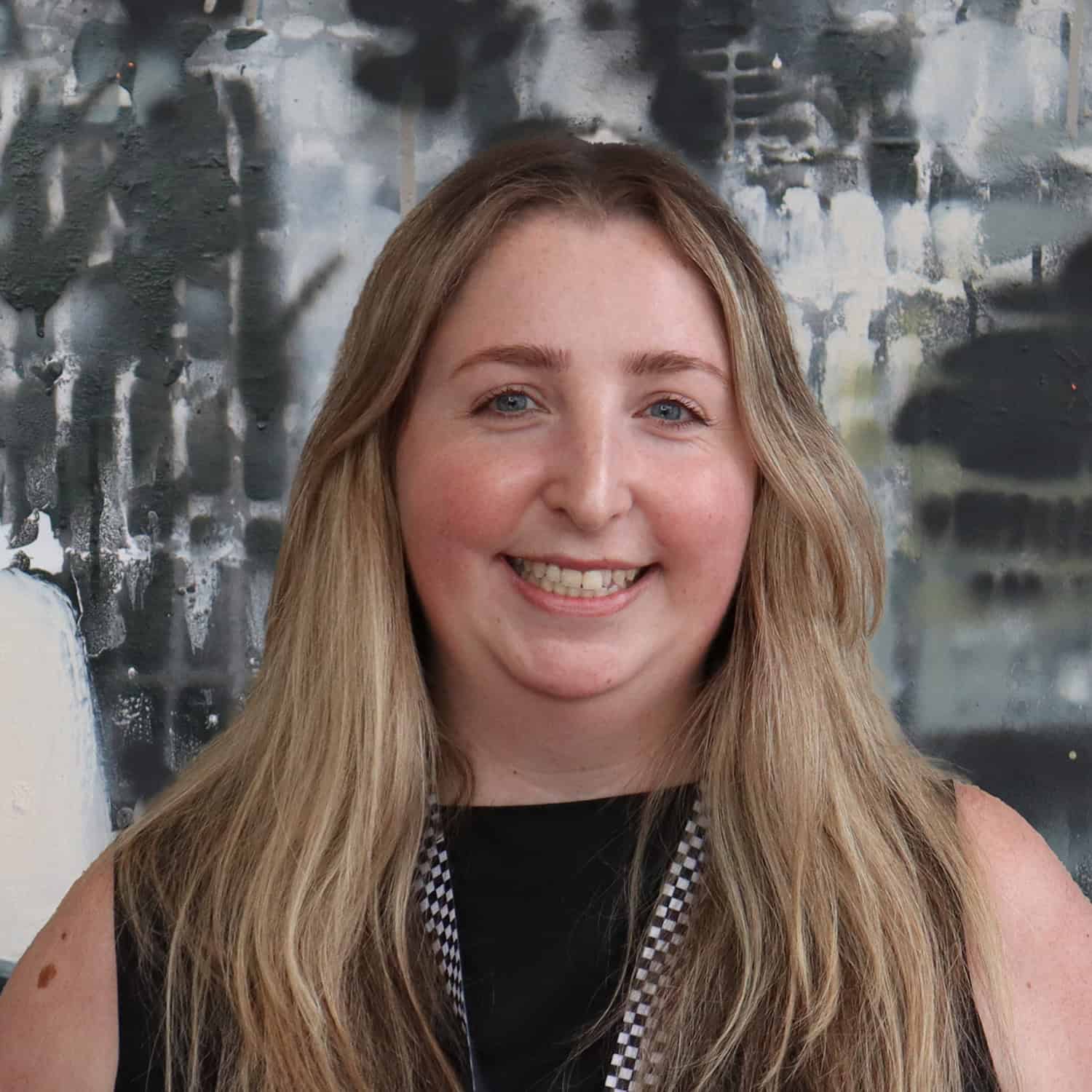
Jordan is a registered creative arts therapist, and sandtray practitioner based in Tāmaki Makau ...
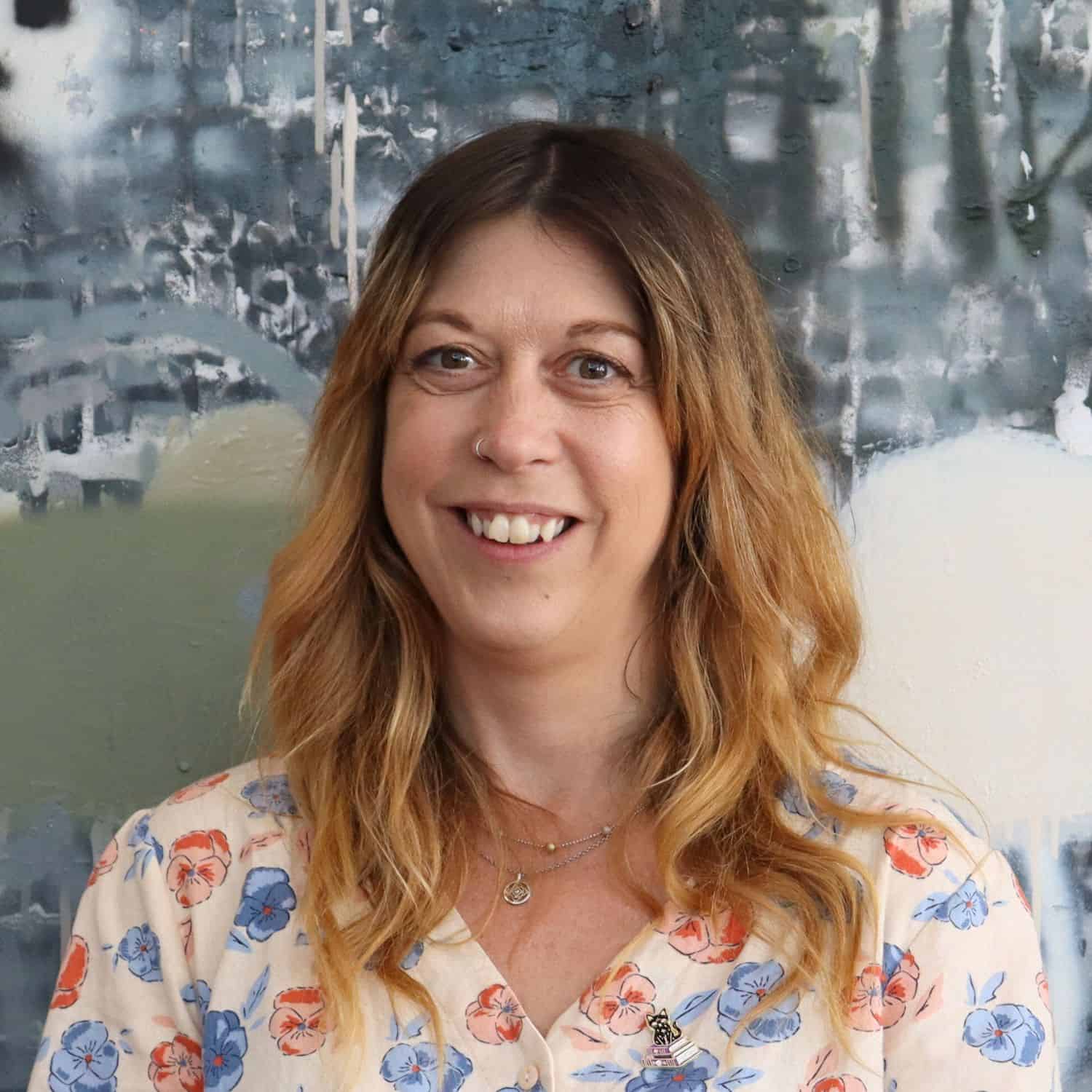
Beth’s clinical and research interests include supporting parents, children and educators to in ...
Nuraishah’s career began and developed whilst she was in Singapore. In the early days, she work ...
Janaína is an academic, published researcher, dancer, and movement practitioner passionate about ...