




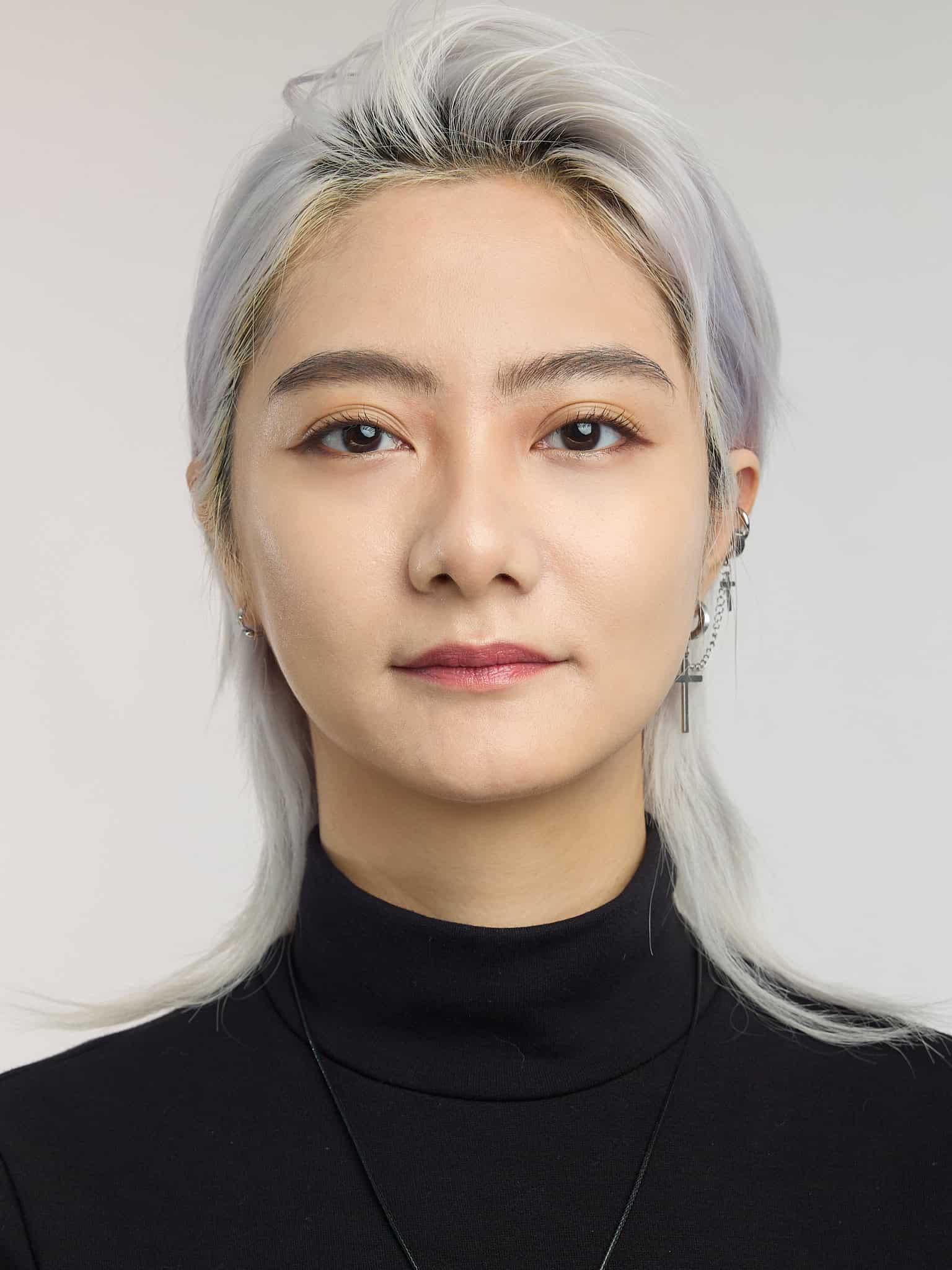
Originally from Hanoi, Vietnam, Chi Do is currently completing the Postgraduate Diploma in Creative Arts Therapy at Whitecliffe in Auckland, New Zealand, and is preparing to progress into the Master of Creative Arts Therapy.
Before beginning this new chapter, Chi spent over a decade working as a Senior Art Director and lecturer in advertising – a career grounded in creativity, storytelling, and visual communication. While successful, it was a path she eventually outgrew, prompting a deeper exploration into the role creativity plays beyond industry.
Chi’s journey into Creative Arts Therapy emerged from both professional insight and personal experience.
Working in advertising, she developed a deep understanding of how images and creative processes can communicate what words alone cannot. Alongside this, two years of studying counselling and working with clients revealed something more fundamental – that the act of making can hold its own form of healing.
“I had long suspected that the process of making things holds its own kind of healing, if you know how to sit inside it.”
A personal loss brought this realisation into sharper focus. It highlighted the gap that exists for many people, particularly within Vietnamese culture, where support is often needed but not easily accessed; due to a lack of language or cultural frameworks around emotional expression.
“I wanted to work in that gap.”
For Chi, Whitecliffe’s Creative Arts Therapy programme stood out for its integrated approach, treating both artistic practice and clinical training with equal importance.
“Whitecliffe stood out because it takes both the art and the clinical work seriously, without separating the two.”
Choosing to study in New Zealand also played a key role. The cultural environment offered something essential to her learning process: openness, reflection, and a willingness to engage with complexity.
Chi describes her experience in the programme as both challenging and deeply transformative.
“It has been disorienting in the best way.”
Coming from a strong creative background, she initially believed she understood the nature of creativity. However, the programme encouraged her to move beyond technical skill and into more reflective, intentional practice.
“The program has asked me to go somewhere deeper – into the parts of making that are less about skill and more about truth.”
Through this process, she has discovered how creative practice can reveal insights not only about others, but about oneself.
“You learn so much about yourself simply by being asked to make something with intention and then sit with what emerges.”
Looking ahead, Chi hopes to build work that sits at the intersection of creative practice, therapy, and community engagement.
Her goal is to create culturally sensitive and accessible spaces, particularly for Vietnamese communities who may not traditionally engage with therapeutic support.
“I hope to build spaces that are culturally sensitive and genuinely accessible, particularly for Vietnamese people who have never been given permission to think of themselves as someone whose inner life deserves that kind of attention.”
Her vision reflects the growing global importance of Creative Arts Therapy, particularly in supporting diverse communities through alternative, non-verbal approaches to wellbeing.
For others, especially those from Vietnam or similar cultural backgrounds, Chi offers thoughtful advice.
“If you have spent years making things and quietly suspected there was more to it than the making – then this is the right direction.”
She acknowledges that the journey can feel unfamiliar, particularly for those from cultures where emotional expression is not always openly discussed.
“It will ask you to be open in ways that feel unfamiliar… but that unfamiliarity is not a barrier. It is, in many ways, exactly the point.”
Her message is clear:
“You don’t need to have it figured out before you arrive. That’s rather the whole invitation.”
The Creative Arts Therapy programmes at Whitecliffe provide a unique pathway for students to combine creative practice with therapeutic training, preparing graduates for meaningful careers in:
• Creative Arts Therapy and counselling
• Community and mental health support
• Arts-based wellbeing programmes
• Cross-cultural and socially engaged practice
Students benefit from a supportive learning environment that values diversity, reflection, and real-world application.
